Becoming Goth Princess
Finding my own crowd.
I always knew what kinds of art I liked. The kinds that had a hint of weirdness and a dark edge. This meant I found comfort in Tim Burton's "The Nightmare Before Christmas," Danny Elfman's instrumentals, and Roald Dahl's quirky stories such as "The Twits."
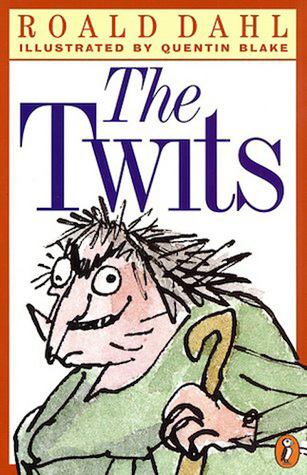
Because of my consistent taste in entertainment, I could easily answer people who asked me what kinds of movies or books I liked. However, I didn't know what it meant to like these things and how to categorize them into one word... until I read "Jane Eyre" written by Charlotte Brontë.
Leading Up To The Question
Although it is a world-famous classic that many students read either in middle school or high school (some say they've read it in elementary school, but I don't know if that would give them the optimal reading experience), I picked it up on a random Tuesday afternoon while searching for something non-disappointing.
Turns out, Jane was nothing like the other protagonists born in the Victorian era; Her romantic interest was of a man described as "ugly," didn't believe in Jesus which was considered unconventional back in early 1800s, and grew up in an abusive Gateshead Hall as an orphan.
She was someone who valued self-respect and independence above anything else. This was true even if it meant leaving her lover while her soul constantly craved for him. Being sad and emotional seemed to be justified by reminding herself that she is a human. She had the ability to honor her feelings, her humanity, and still place her heart second and logic first. Even if there was a wave or an earthquake within herself, they were all processed inside this delicate structure she had built around herself.
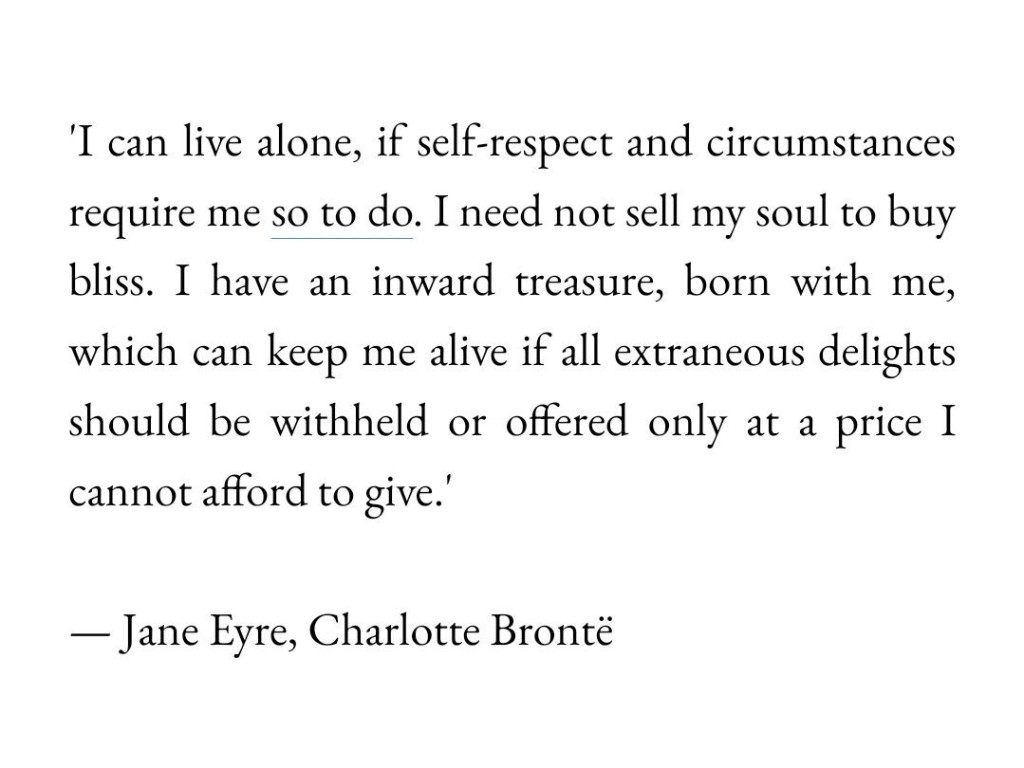
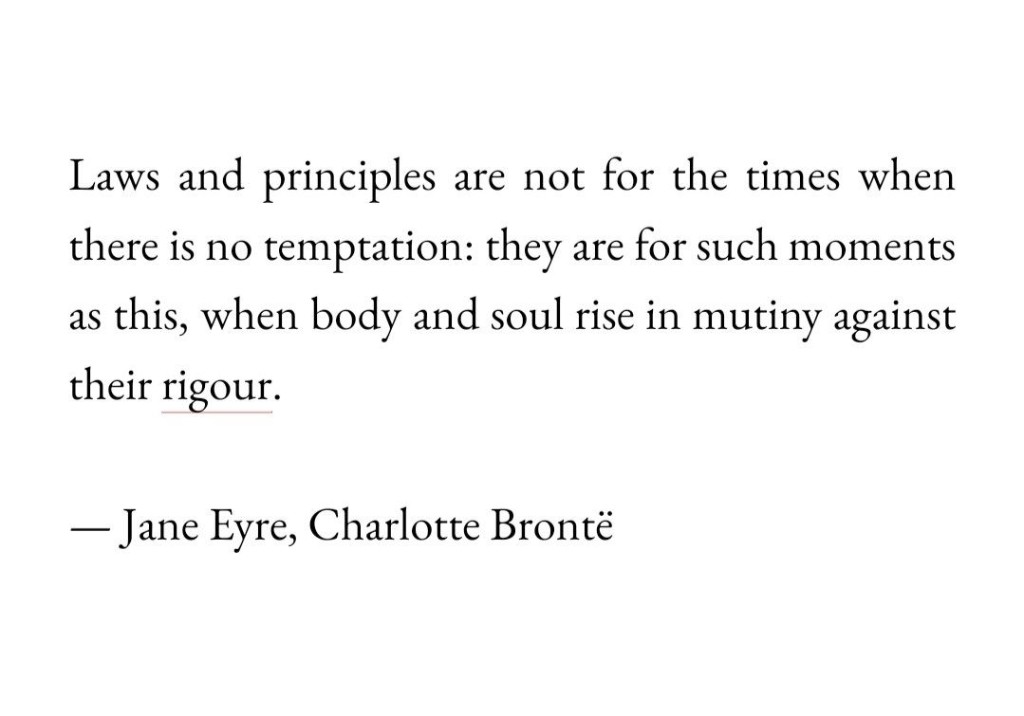
As interesting as her character could get, the mysterious incidents that haunted her like a ghost inside the Thornfield Hall intrigued me more. And this unexpected style of writing is what led me to question if there was a genre or a category encapsulating this specific mood. My question was simple, and so was the answer: Gothic Fiction + Romance.
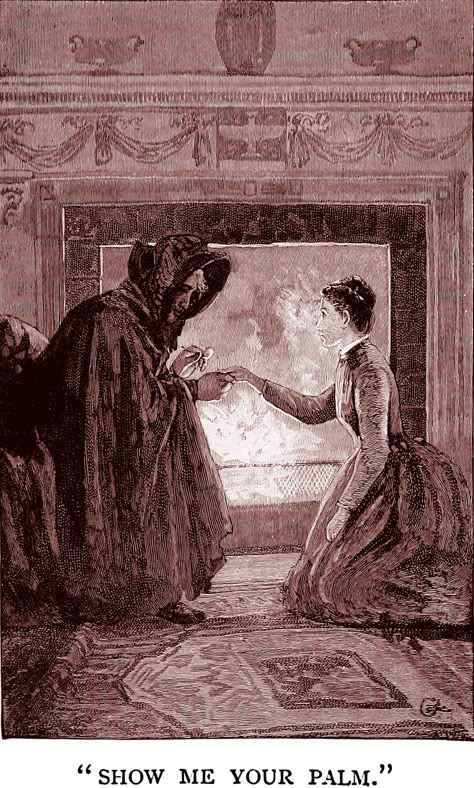
Although a simple inquiry, what made this curiosity important is that I started reading with an intention; The intention to understand what it meant to love this genre and to become an expert in it, aka. to become "The Goth Princess."
The Journey Begins
The most obvious thing to do was to start reading as many gothic novels as possible. And with the recent success of the new "Frankenstein" 2025 movie, my attention shifted to set the book written by 18 years old Mary Shelley as my next read. By the time I visited Trident Booksellers & Cafe on Newbury St, Penguine Books had re-published the novel with an introduction written by the director Guillermo del Toro in which he briefly explained a history of Gothic tales:
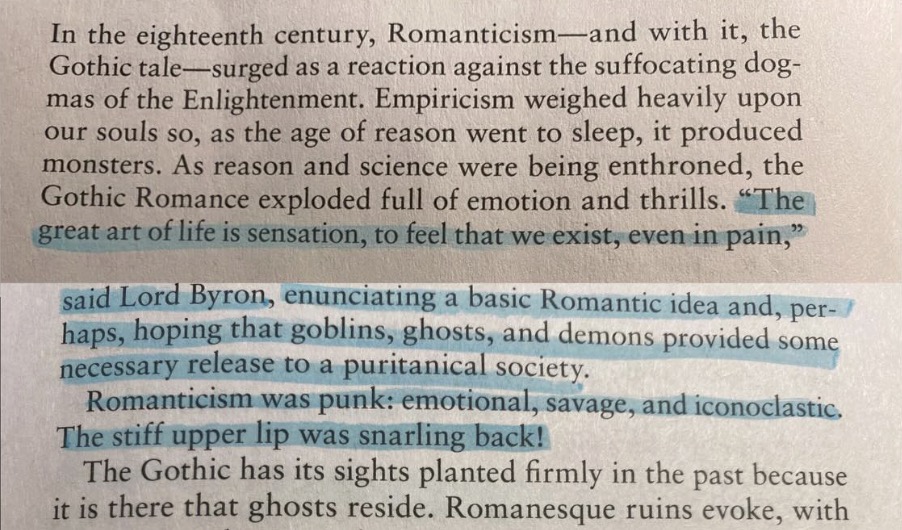
He had written that Romanticism birthed Gothic tales as a "reaction against the suffocating dogmas of the Englightenment" and that the idea was "punk: emotional, savage, and iconoclastic." Gothic tales were therefore born from the dark in search of light. When this was clear, I started to understand why I was attracted to this genre.
The "Why" Reveals Itself
Growing up, my mother was the controller of my life. She decided on what I wore, who I should stay away from, and what "being a good girl" meant: Obedience. I was praised when I did as she said which made her smile, and to see my mother happy was my greatest joy.
Once she had decided that I was old enough to start forming a trajectory in life, she came into my room and asked, "what do you wish to study in college?" Having been accepted into a gifted art club at my local middle school and won awards for poems and drawings, I suggested "maybe stage designing or screenwriting?" Her response was negative. Her reasoning was that artists do not make much money. She suggested "becoming a dentist may be a better idea" because "they make a great living."
I realized that my sparks were doomed to be dimmed if I didn't escape this unfortunate circumstance soon. Similar to how a metal spring jumps higher when it is compressed with more pressure, I felt my cravings for people around me to perceive me as I perceive myself grow bigger as the day passed. I wanted to be known as a distinct character, not someone who fixes humans' tooth problems for the rest of their life (with all due respect to dentists in this world).
What got me through these mentally agonizing time is a quote from "The Picture of Dorian Gray" written by Oscar Wilde: "Behind every exquisite thing that existed, there was something tragic." I needed to believe this to be true. And in believing this to be true, the characters from Gothic literatures helped.